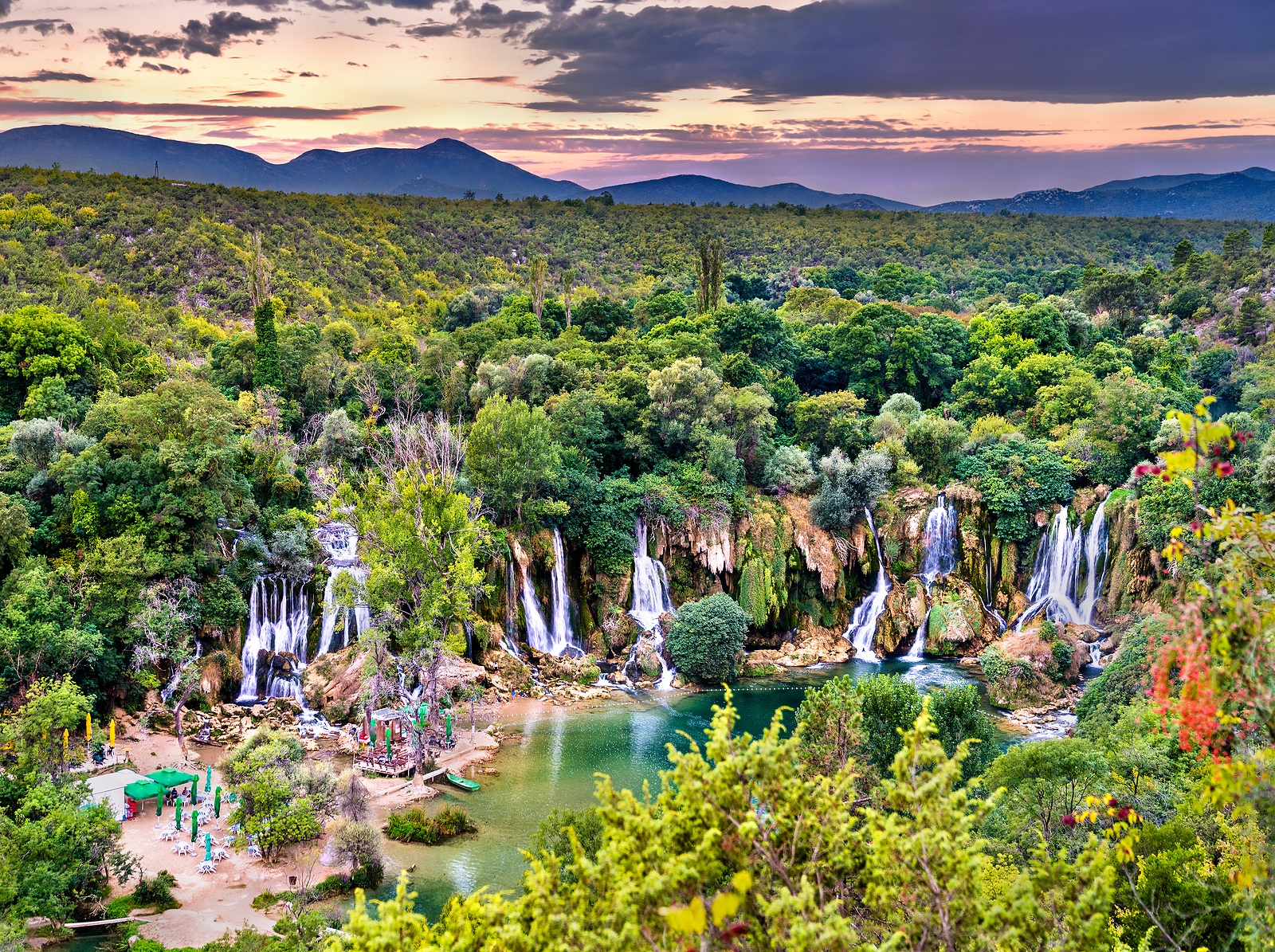
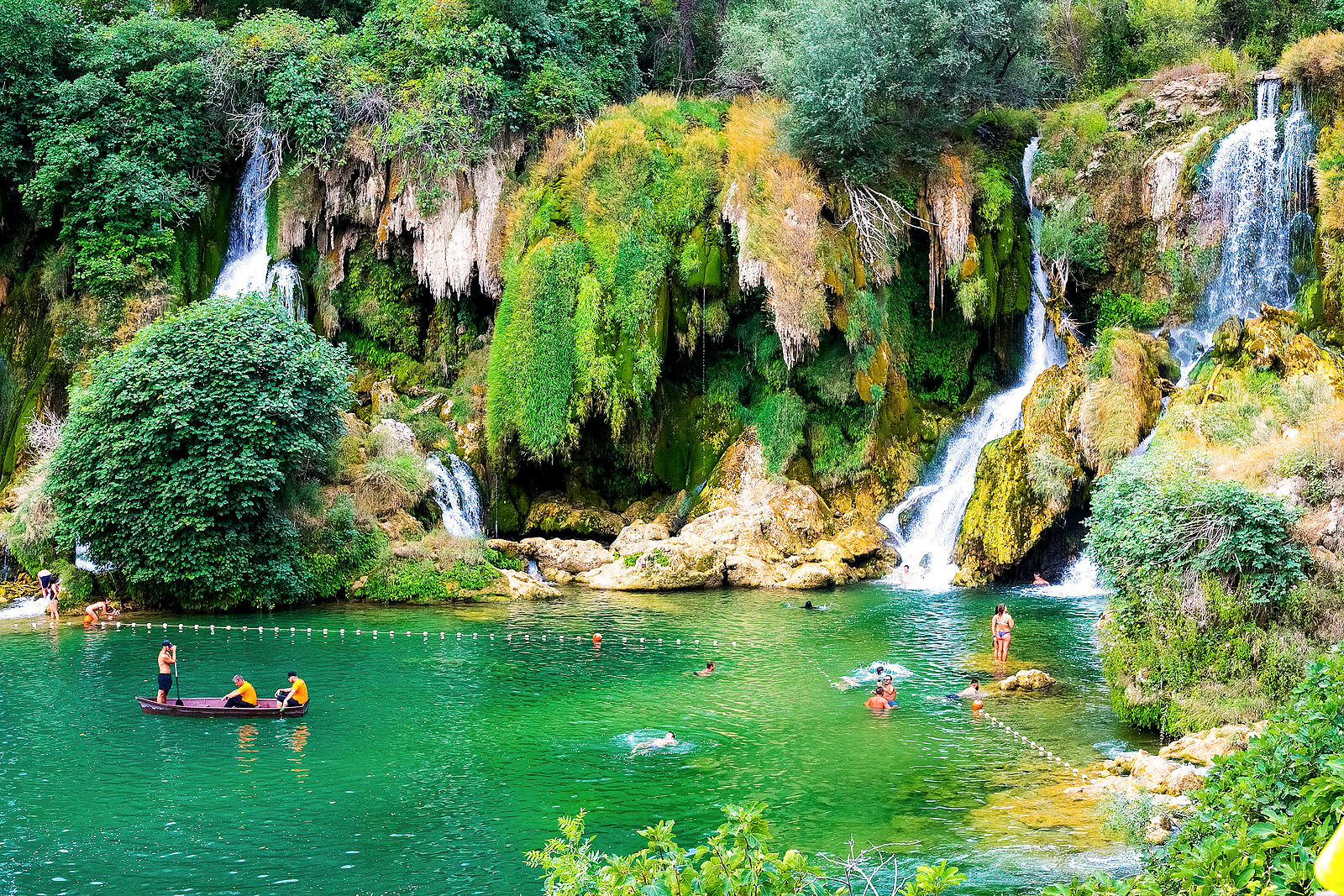
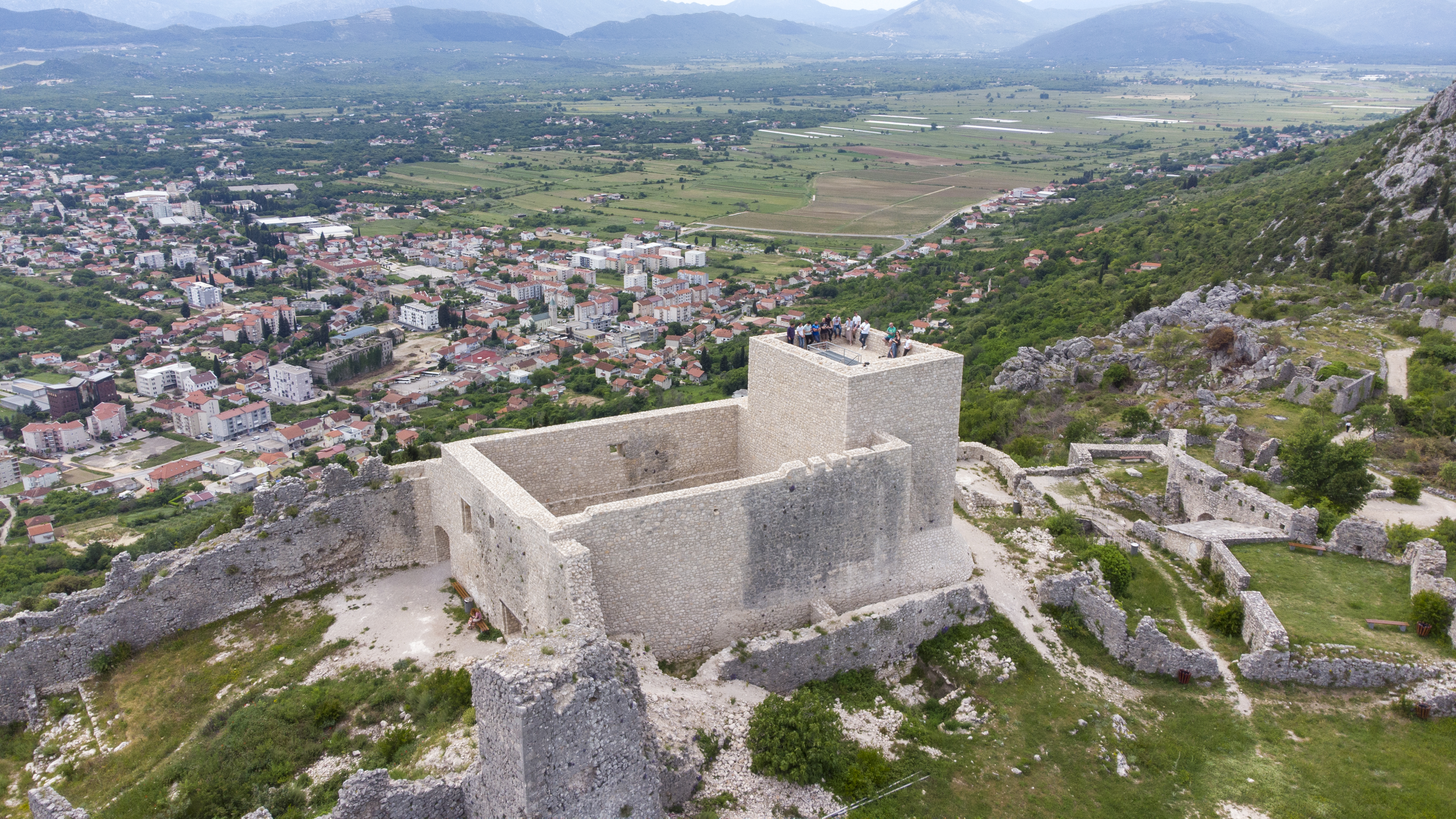
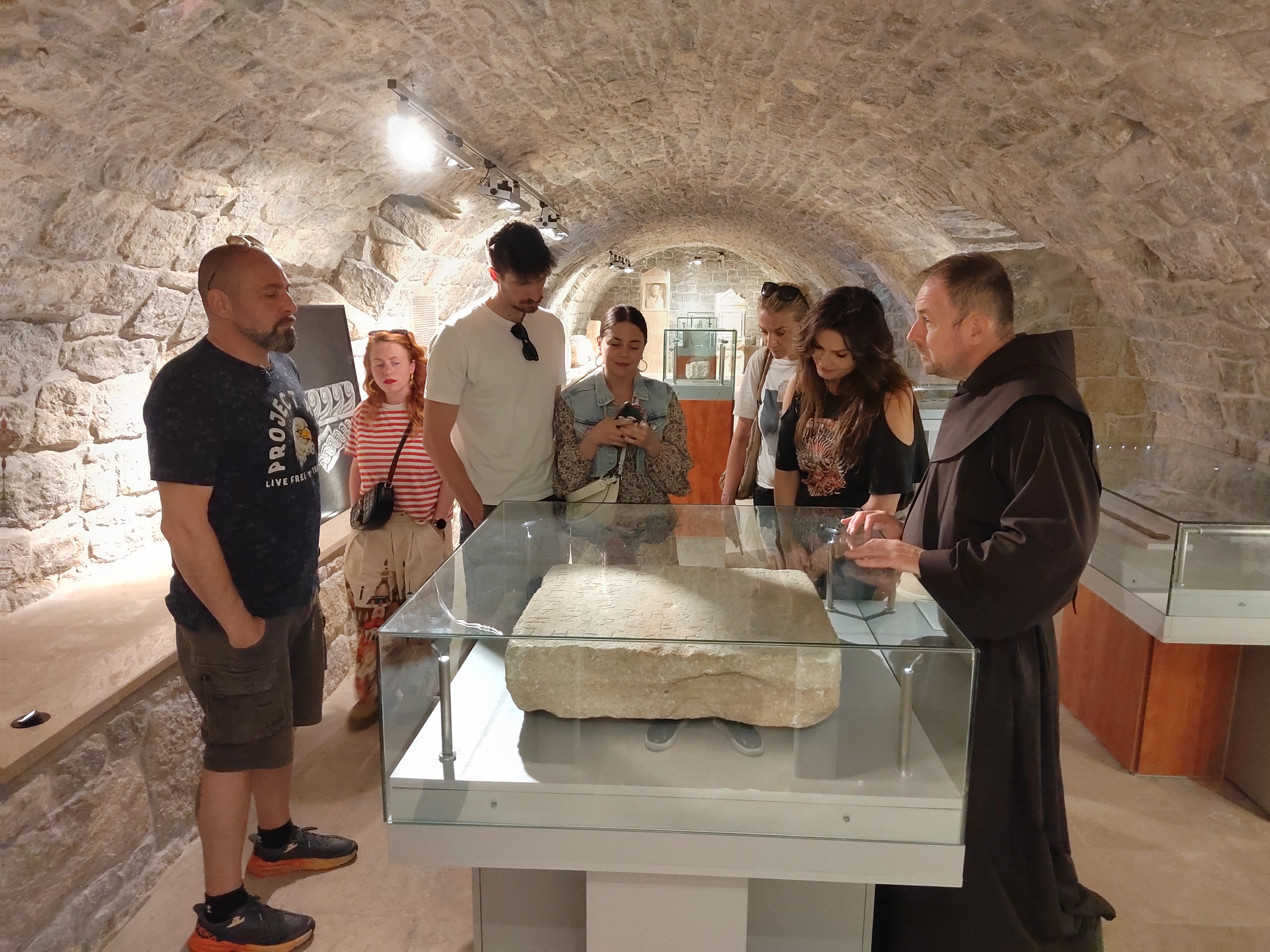
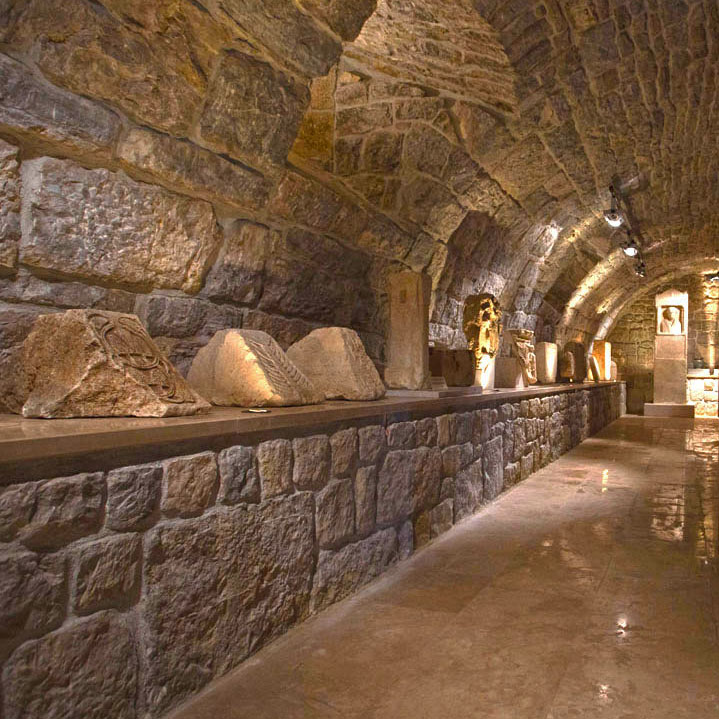
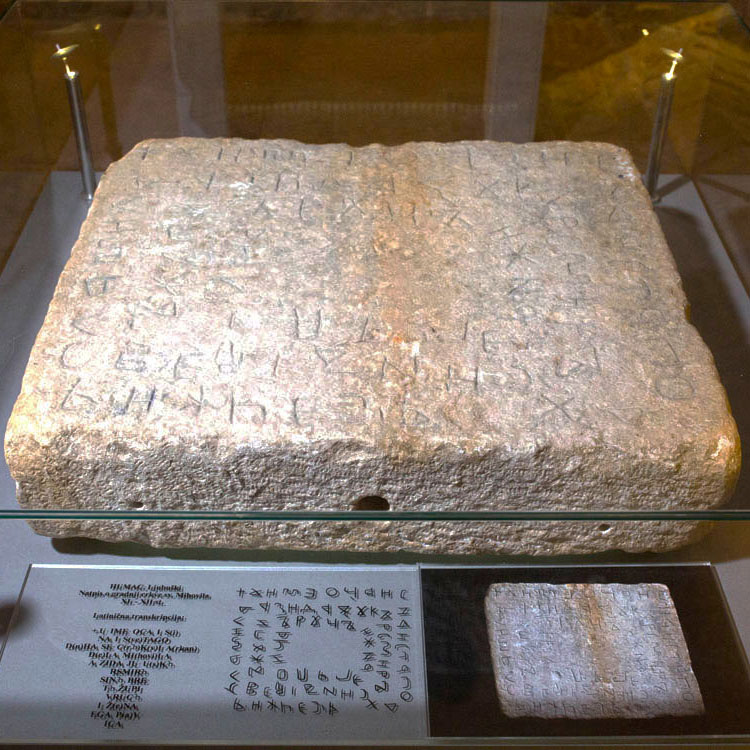
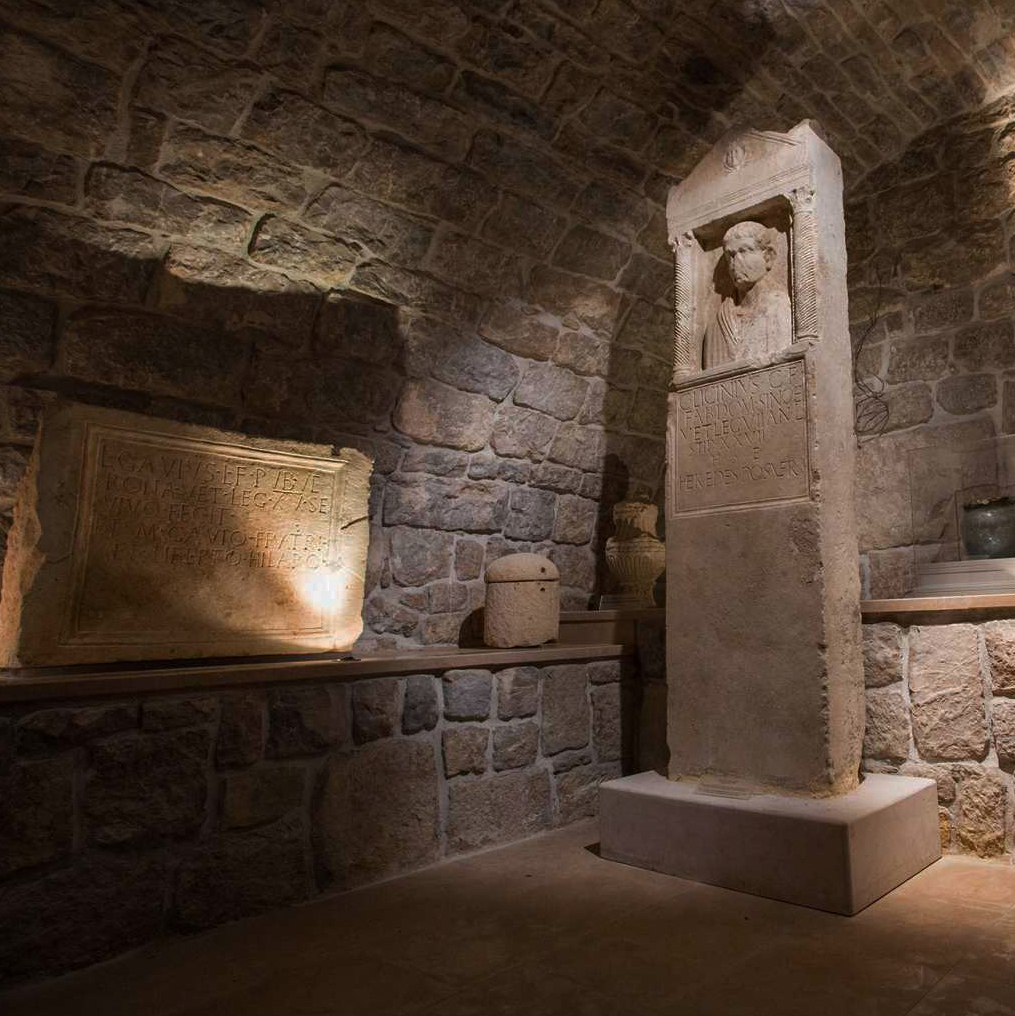
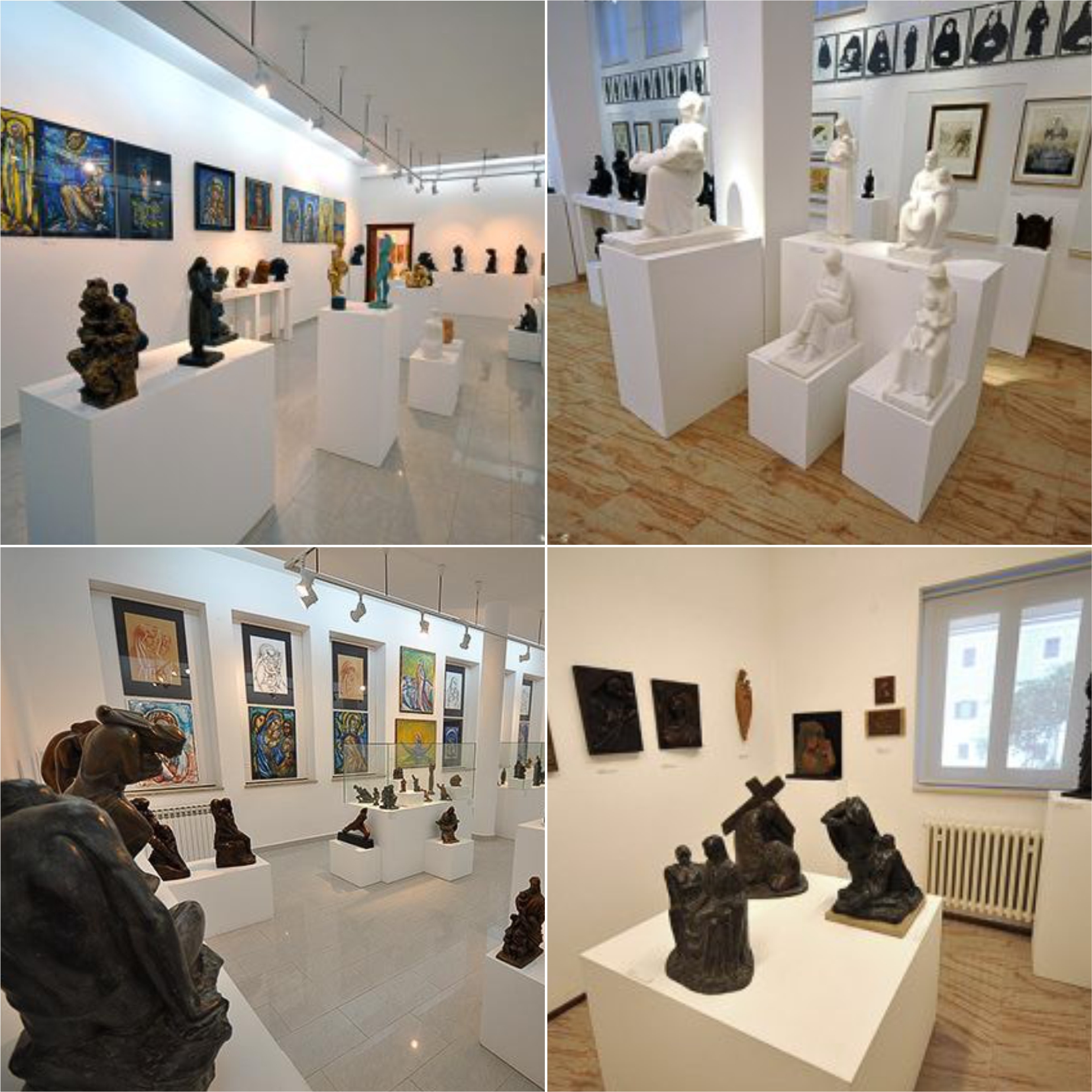
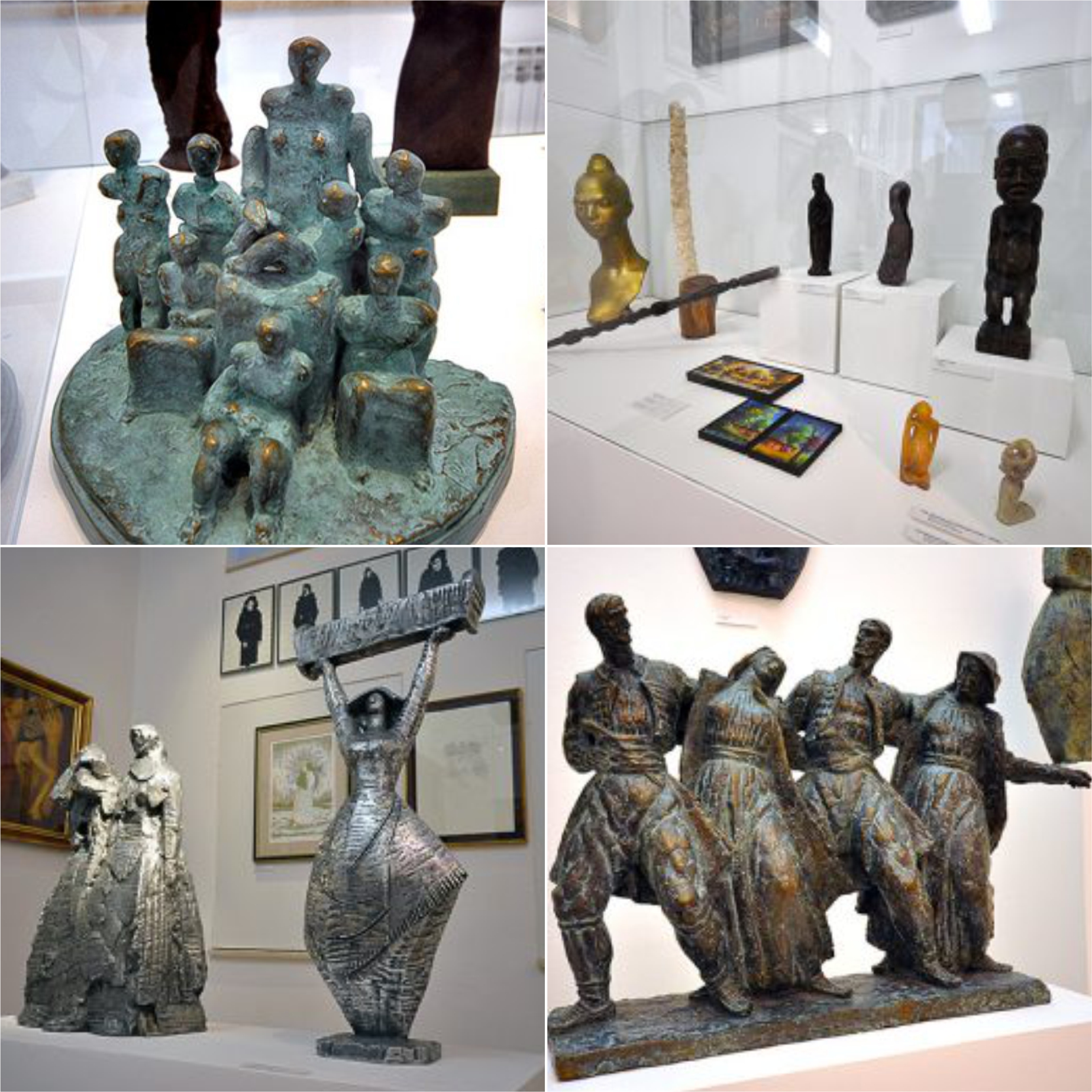
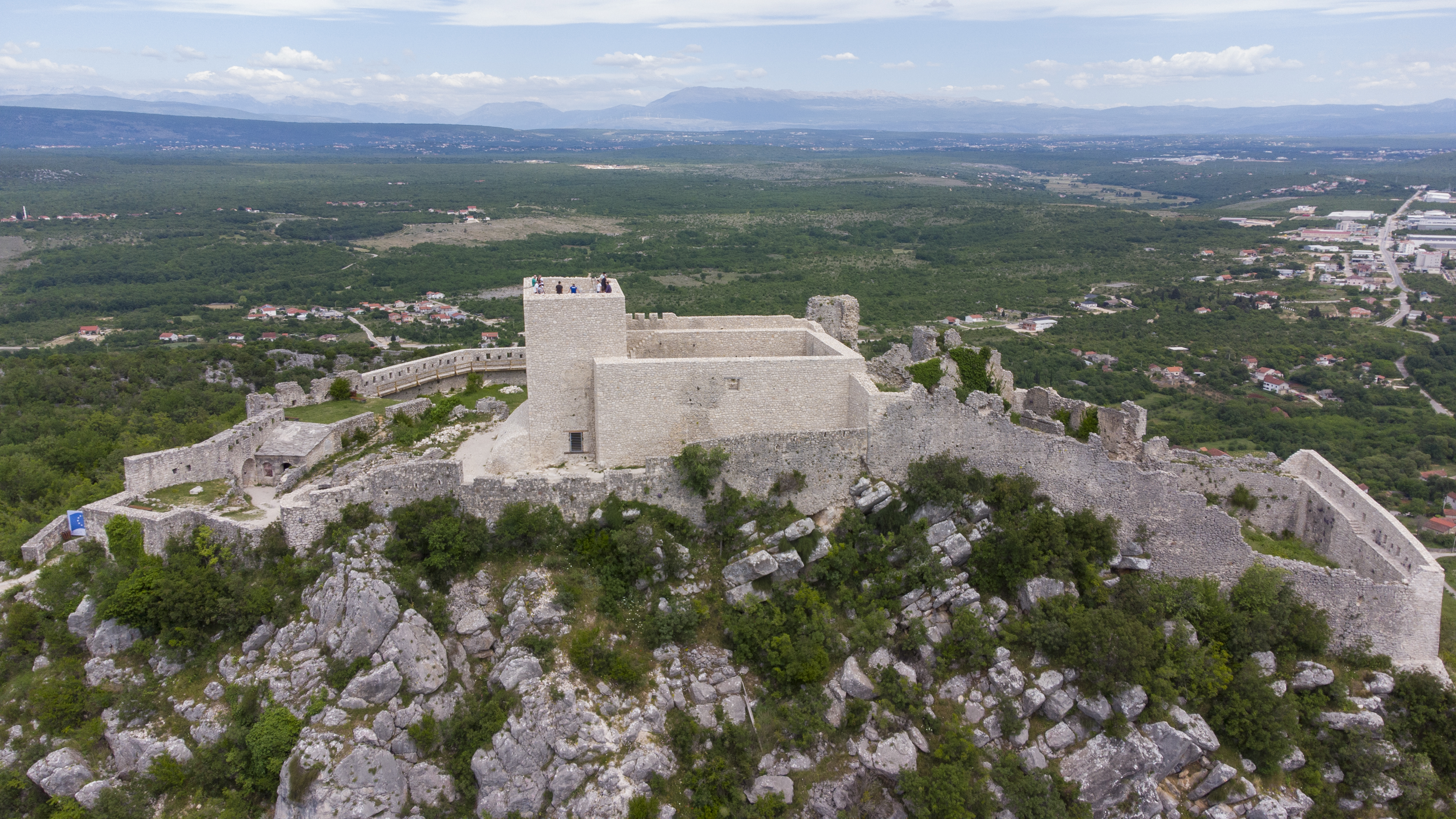
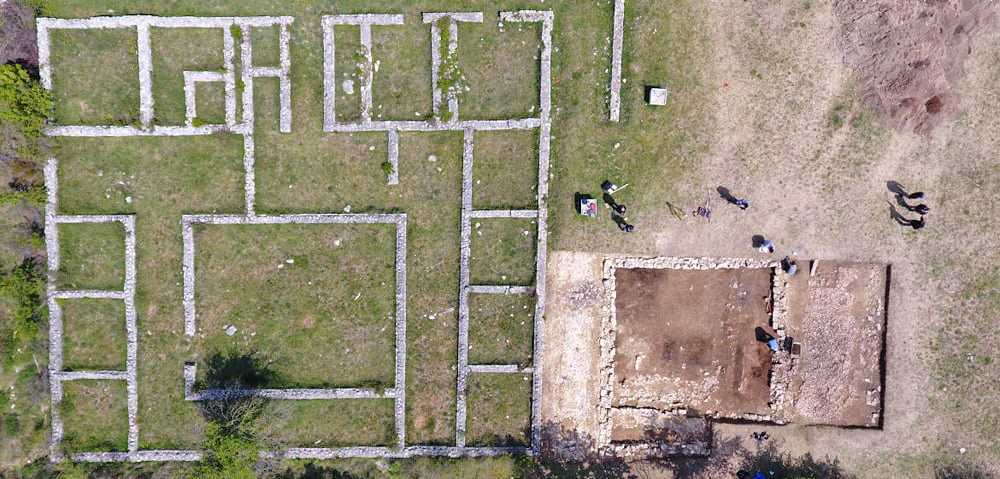
If you’re travelling from Vrgorac, then Ljubuški is the closest city to the Croatian part of the Adriatic. Its natural beauty, cultural and historical heritage, enogastronomy and a friendly local community are bound to leave you breathless. The city is located on the left bank of the River Trebižat, whose beauty is enhanced by spectacular waterfalls. Kravica Waterfall is one of the favourite destinations in Herzegovina, as well as a popular summer swimming and picnic destination. The falls are 28 meters high and the 120-meter wide and their semi-circular crest creates an enormous amphitheatre. Although smaller than Kravica, Koćuša Waterfall doesn’t fall behind when it comes to its natural beauty. It owes its appeal to sedimentary rocks and calcareous sediments, which have accumulated over the years. The fans of cultural and historical heritage can visit the Roman military camp Gračine (Bigeste) dating from 1st to 3rd century in the area of the village Humac, the Old Town of Ljubuški, Humac Museum or monolithic tombstones on different localities. The Old Town of Ljubuški (Herceg Stjepan Fortress) was declared a national monument of Bosnia and Herzegovina in 2003. It is located above Ljubuški, at the top of Butorovica hill, and dates from the Middle Ages. According to folk tales, duke (herceg) Stjepan was responsible for the construction of the fortress although, historically, it is older than him. In historical sources, the name of the city was first mentioned in 1444, under the name ‘Lubussa’. Humac Museum, which was founded in 1884, is the oldest museum in Bosnia and Herzegovina. It is located in the Franciscan Monastery of St Anthony of Padua on Humac. Its remarkable collection includes Humac Stone Tablet from the 12th century, which represents the oldest preserved monument written in Croatian (a mixture of Glagolitic and Old Croatian Cyrillic) on the territory of modern Bosnia and Herzegovina.